Velto Exchange Review: Pro Trading Tools Finally Coming to True Self-Custody DeFi
One of the most recent DeFi projects to capture everyone’s attention is Velto. The platform, though newly built, appears to address the most common bugs encountered by traders on decentralized platforms. Centralized exchanges (CEXs) offer advanced tools such as limit and stop-loss orders and fast execution, but keep funds in centralized custody. On the other hand, pure DeFi platforms like Velto are built on smart-contract-enabled blockchain networks and offer complete control over private keys and funds. Velto brings pro-level features and keeps users in control over their trading activities.
As of mid-December 2025, Velto is live with the browser version, enabling transactions and trading. The team has the mobile app planned for early Q1 2026.
This blog covers the basics of Velto and its essential features.
What is Velto?
Velto is a non-custodial Web3 platform crafted by traders for traders. The core idea centers on on-chain execution, where users retain complete control. It is not a traditional exchange with its own backend. Instead, it connects your wallet to various on-chain protocols, lets you initiate transactions, and signs them locally, keeping your assets in your self-custody wallet. All trading and execution occur directly on-chain, so you remain in control.
Pros and Cons
Pros
- True self-custody with no compromise on keys
- Advanced orders, including limit, stop loss, and leverage in perpetuals
- Seamless cross-chain bridging and swapping
- Built-in scam detection and safer approvals
- 2Unified dashboard across many chains
- Transparent fees displayed upfront
- Quick onboarding with email or wallet
Cons
- 1% fee on perpetuals is on the higher side
- Liquidity varies by chain and market depth
- Mobile app not available yet, expected in early 2026
- Regulatory uncertainty for leveraged DeFi platforms
- Fewer, less-known altcoins compared to the top centralized exchanges
The team at Velto has decades of combined experience in Web3, fintech, and professional trading. It identifies gaps where DeFi falls short for pros, such as a lack of standardized order types or the need to manage fragmented chains. Velto focuses on filling those gaps without adding custody risks.
The platform does not provide any details about its native token. The primary feature of Velto is futures trading, which lists more than 20 perpetual contracts and offers up to 100x leverage on leading cryptocurrencies, including Bitcoin (BTC), Ethereum (ETH), and Solana (SOL).
How Does Velto Work?
Velto is a smart interface built on top of existing DeFi protocols across multiple chains. You connect a compatible Web3 wallet, and it starts pulling data from supported networks. From there, you construct the trades, bridges, or swaps you need. Transactions are logged on your device, communication remains encrypted, and you retain complete control over your private keys.
The platform’s cross-chain functionality looks particularly useful. Traders often waste significant time switching between apps or dealing with clunky third-party bridges just to reposition capital. Velto integrates guided flows that make bridging and swapping much more straightforward.
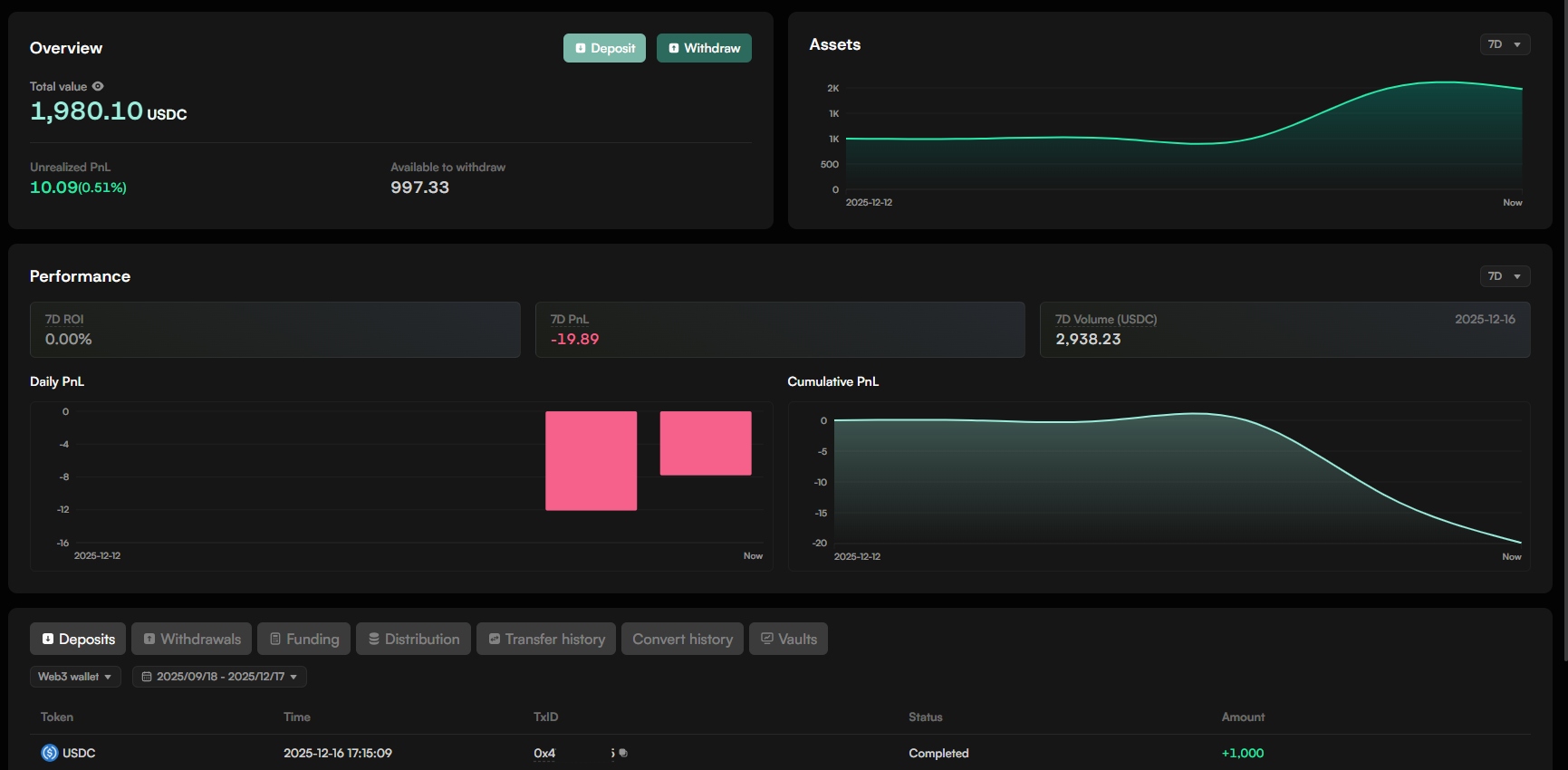
A unified portfolio view ties everything together. Instead of logging into separate wallets or tracking everything manually, you can view balances, positions, and performance across different chains in one place. Such consolidation could change daily workflows for anyone running multi-chain strategies.
Execution depends on the underlying protocols, so speeds and liquidity match what's available on those chains. Velto adds value through features such as upfront fee displays, real-time scam warnings for suspicious contracts, and clearer previews of what approvals actually permit. The non-custodial model means assets remain in your wallet, reducing the risk of centralized custody.
Velto Key Features
No KYC Required
Velto follows classic DeFi privacy standards. You connect your wallet and start trading digital assets. No emails, no document uploads, no personal information collected. It keeps things anonymous and straightforward, allowing users to connect their wallets and start trading.
Important Reads: Top 5 No-KYC Cryptocurrency Exchanges
Advanced Order Types
Velto provides several advanced order types to help traders automate their strategies. The platform offers limit orders targeting specific prices, stop-loss triggers for automatic protection, and integrated leverage tools. Everything executes on-chain without requiring custody. It aims to bring the precision of a centralized exchange to a pure DeFi ecosystem.
Cross-Chain Bridging and Swapping
Chain fragmentation remains one of the most significant tradeoffs in DeFi. Velto tackles it with seamless asset movement, providing bridge, swap, and trade across networks without leaving the app or dealing with multiple tools.
Built-in Security Protections
Velto focuses on providing robust security to users. It offers scam detection that flags fake tokens or malicious contracts. All approvals on the platform come with clear explanations of permissions. All transaction previews highlight potential issues early. Local encryption and optional biometrics provide an additional layer of security.
Unified Portfolio View
Managing positions across chains can be challenging for traders. Velto pulls everything into a single unified dashboard to help you monitor, rebalance, close, or move positions across multiple blockchains. You can view your holdings, monitor open trades, and spot opportunities faster without constant switching.
Velto Trading Experience
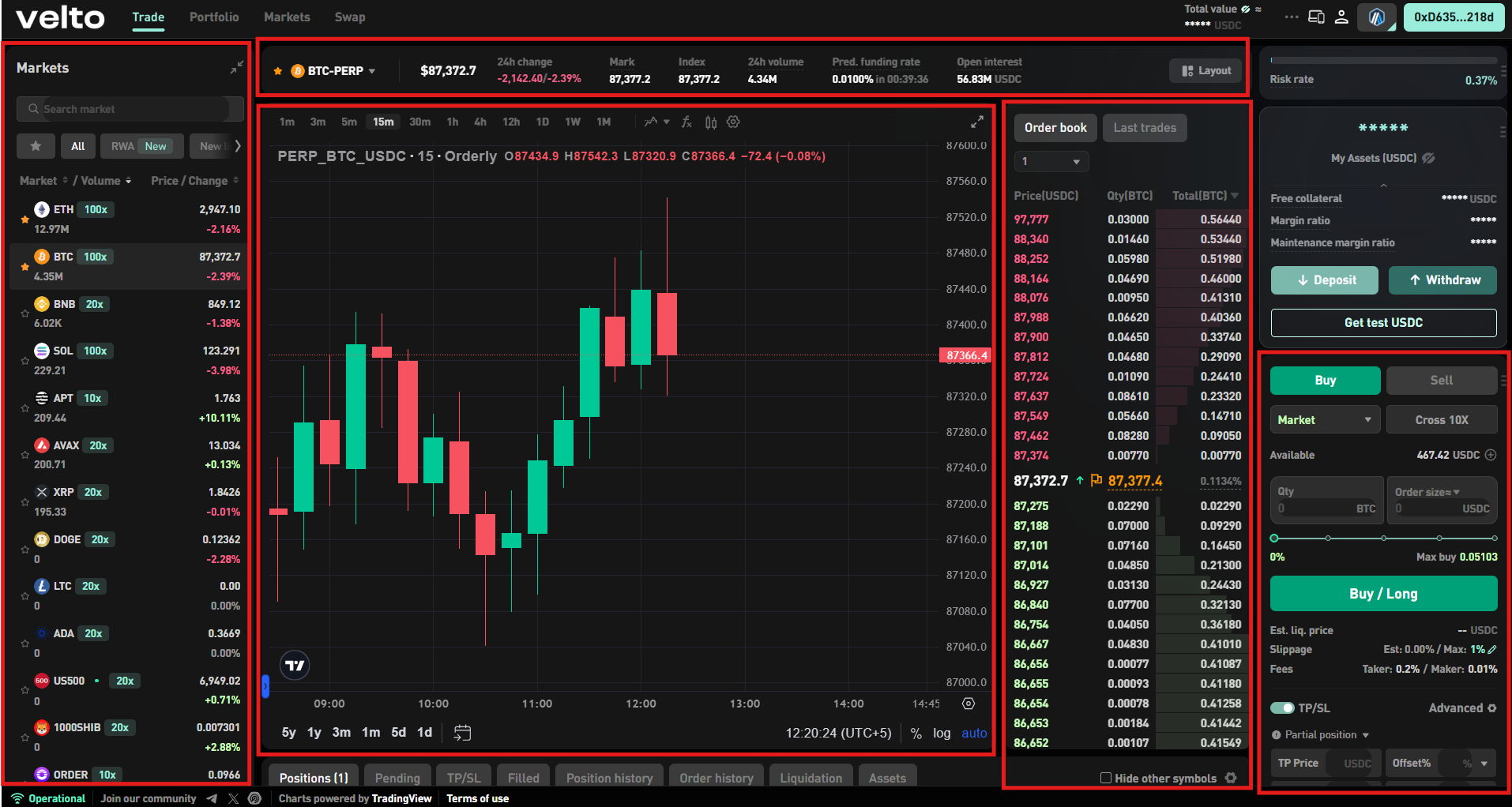
The browser version of Velto is now live, enabling users to access perpetual trading. The platform currently does not offer spot trading and focuses solely on derivatives, with perpetual contracts across crypto pairs and Real-World Assets (RWAs). The trading interface provides all the essential tools to place an order. You get TradingView charts with advanced indicators, leverage sliders up to whatever the market allows, and easy attachments for stop-loss or take-profit orders.
Opening a position takes seconds. Select your trading pair, choose the order direction (buy or sell), adjust leverage and margin mode (cross), set the order type (market, limit, trailing stop, etc.), and confirm. The platform clearly displays funding rates, instantly calculates liquidation prices, and updates profit and loss (P&L) in USDC.
Velto offers cross-chain functionality to enhance trader convenience. You can spot something good on one chain, bridge over quickly, and trade. The platform automatically warns users of any risks.
Another significant aspect of Velto's platform design is the smooth overall flow. From wallet import to position management, the focus on fewer steps and greater visibility addresses real needs. To get more details of the trading experience, you can also check out our complete Velto Exchange Tutorial.
Velto Fees
Velto uses a straightforward maker-taker model for its trading fees, keeping fees competitive across market types. For perpetual contracts, the platform charges a 0.02% taker fee and 0% maker fee.
Additionally, the platform charges competitive fees in the Real World Asset (RWA) markets. Here, takers pay just 0.05%, while makers pay no fee at all. This structure clearly encourages liquidity provision in RWAs, making it cheaper for traders to get exposure to those assets.
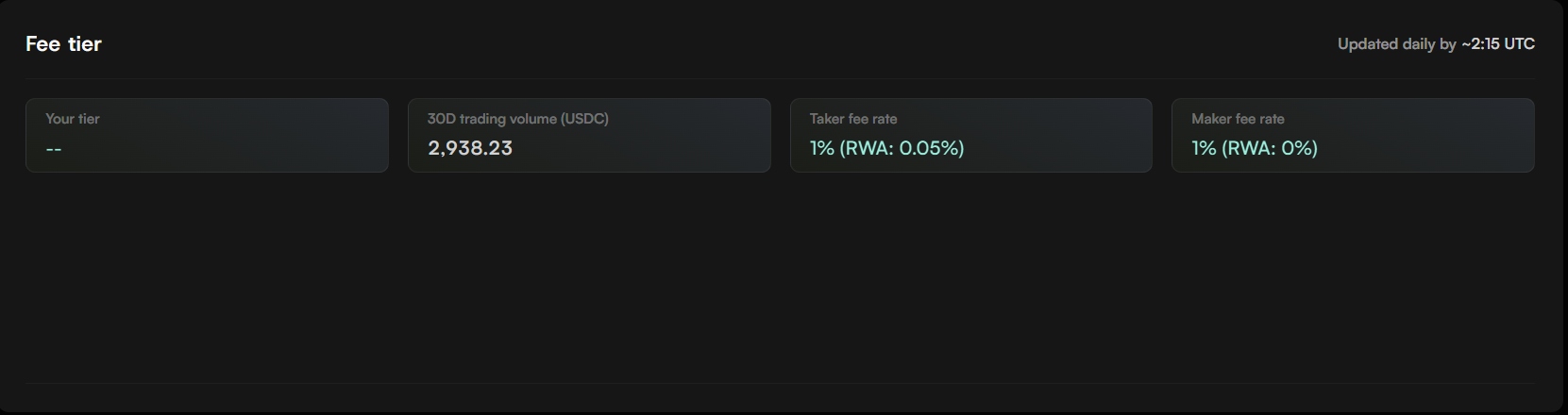
Overall, fees are displayed transparently before confirmation, so you always know what you're paying.
Velto Supported Chains and Assets
Velto stands out for its broad cross-chain support, connecting to a long list of popular and emerging networks. The platform currently works with Arbitrum, Optimism, Base, Mantle, Ethereum, Sei Network, Avalanche, Solana, Morph, Sonic, Berachain, Story, Mode, Plume, Abstract, and BNB Chain.
This lineup includes leading chains, from fast layer-2 solutions such as Arbitrum, Optimism, and Base to high-throughput chains such as Solana, Sei, and Avalanche. Additionally, new chains such as Morph, Sonic, Berachain, and Abstract are also available. This wide selection allows traders to move assets freely within the interface, taking advantage of the best opportunities wherever they arise.
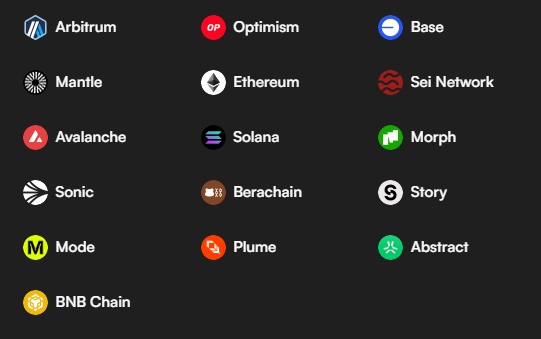
Each blockchain on Velto offers its most liquid and native tokens, such as BTC, ETH, SOL, BNB, AVAX, and stablecoins like USDC and USDT, along with popular altcoins. Each chain’s protocols source liquidity directly, ensuring prices, spreads, and slippage always reflect real market conditions.
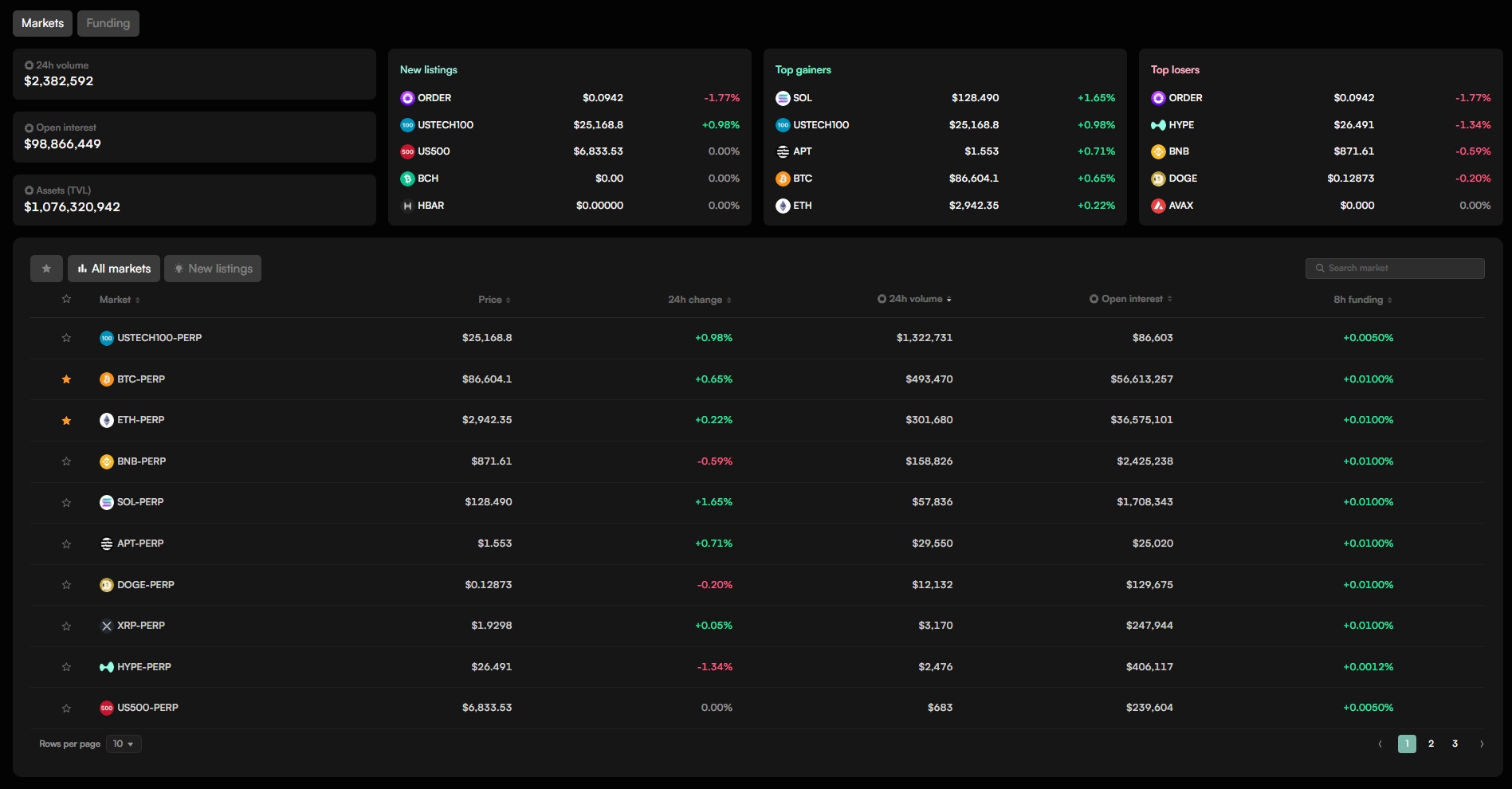
The variety also supports various trading strategies, such as arbitrage, yield chasing, or portfolio diversification. With seamless chain bridging, Velto is particularly useful for anyone tired of using multiple wallets and tools.
Is Velto Secure?
Velto's non-custodial setup offers the most significant security advantage for users. Their assets always remain in their own wallet, so the platform never has access to private keys or funds. Additionally, the platform cannot freeze accounts; all transactions are signed locally on the device, communications run encrypted, and everything executes on-chain.
On top of that foundation, Velto implements safety measures that help catch common DeFi pitfalls. The scam-detection feature scans for suspicious contracts or tokens and issues warnings before you confirm any risky action. Approval flows show exactly which permissions a transaction requires, helping you avoid accidentally granting unlimited access. Transaction previews clearly break down potential impacts, making it easier to spot hidden risks early.
Overall, Velto emphasizes transparency and user control to build trust. For traders who already take wallet security seriously, it provides a solid layer of safety measures without introducing custodial risk.
Velto User Experience: Is it User-Friendly?
Velto offers a reliable platform for experienced DeFi traders. The layout is clean and similar to any modern exchange. The platform provides all the required trading tools, charts, and indicators to assist traders. The order panel minimizes clutter and enables traders to open or close positions easily.
You can smoothly switch between different tabs on the platform. The cross-chain flows guide you through bridging or swapping without forcing you to leave the app or open new tabs. In short, most of it is what you experience on centralized exchanges (CEXs) like Bybit or Binance.
Onboarding receives significant attention from the team. You can connect a wallet, fund it, and place your first trade efficiently. Wallet import or creation includes clear safety reminders; funding options highlight receive addresses alongside integrated bridging routes; and order previews break down everything from fees to potential slippage before you confirm.
The unified portfolio view saves real-time data for multi-chain traders. You do not need to switch between different wallet apps or spreadsheets. Balances, open positions, and P&L across chains like Arbitrum, Solana, and Base all sit in one place, updating in real time as markets move.
For newer users, the learning curve remains due to its self-custody DeFi model at its core. Velto offers a demo account to help beginners learn to use the platform and trade digital assets without real funds.
Overall, Velto strikes a good balance in user experience. It gives seasoned traders the speed and tools they want to trade digital assets while making it easy for new users to build their understanding of the platform through a demo account.
How to Get Started on Velto?
Getting started with Velto is flexible, as it supports both email-based sign-up and direct wallet connections. The platform uses USDC as the primary collateral for trades, so you'll need to have it on one of the supported chains.
If you prefer a quick email option, head to the Velto website and click "Launch App." Then tap "Connect Wallet" in the top corner. Choose "Email," enter your address, submit, and verify with the 6-digit code sent to your inbox. That sets up a basic account without needing an external wallet right away.
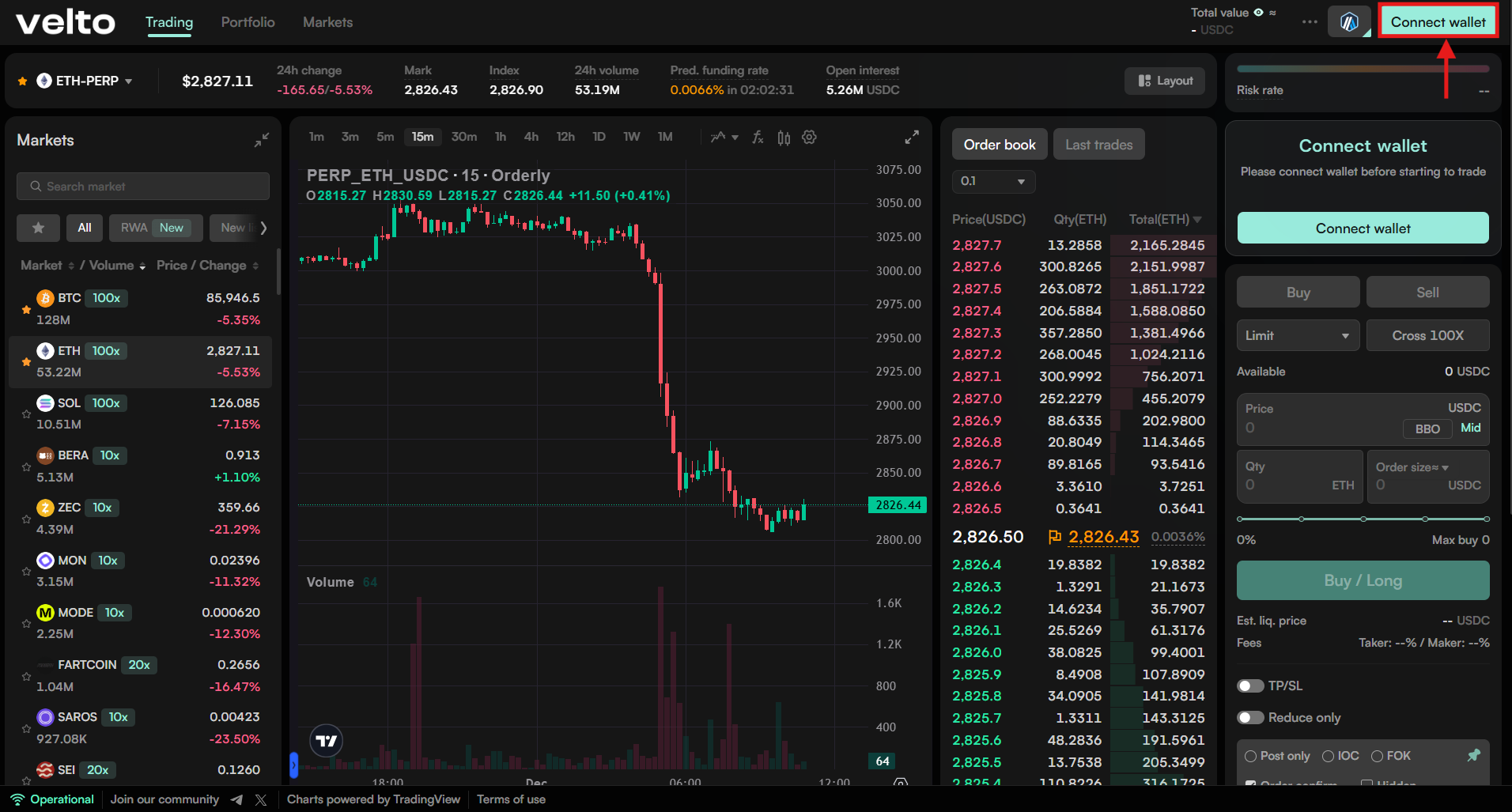
For complete self-custody control, connect an external crypto wallet instead. Velto supports over 500 options, including MetaMask, Binance Wallet, Gemini, and more. From the home screen, tap "Connect" in the top-right, select "Wallet Connect," then either scan the QR code with your mobile wallet or tap "All Wallets" to choose yours directly. Once connected, your wallet links up, and you can fund it with USDC to start trading, bridging, or opening positions.
Either way, the process stays fast and straightforward. Email gets you set up quickly for testing, while Wallet Connect keeps everything non-custodial from the start. From there, the interface guides you through deposits, swaps, or trades with clear prompts. You can also check our Velto Exchange Tutorial for a step-by-step guide to getting started on the platform.
Final Takeaway
Velto delivers exactly what many DeFi traders expect from a decentralized platform. It offers advanced order types, leverage, perpetuals, seamless cross-chain bridging, and a unified trading account, all in a real non-custodial setup where you retain complete control of your keys. The live browser version allows you to start trading cryptocurrencies and Real-World Assets (RWAs). Built-in scam protection and clear approvals ensure a safe trading environment.
Fees appear reasonable for RWAs, with almost no cost for makers, though the 1% on perpetuals is higher than some competitors. Liquidity pulls from the underlying chains, so it holds up well on popular networks. The broad chain support offers flexibility that few DeFi platforms currently match.
If you're tired of fragmented multi-chain workflows or fundamental DEX limitations but don't want custodial risks, Velto offers a reliable platform. The trader-focused design shows through, and with the mobile app coming soon, it could get even better.
Frequently Asked Questions – FAQs
Is Velto a centralized or decentralized platform?
Fully non-custodial and decentralized. It provides an interface for on-chain protocols without custody of user funds.
Do I need KYC to use Velto?
No. Just connect a Web3 wallet and trade anonymously.
When is Velto launching?
The browser version is already rolled out as of mid-December 2025. However, the mobile app is expected in early Q1 2026.
What chains are supported on Velto?
Multiple, including Ethereum, Optimism, Arbitrum, Base, and Solana.
Will there be perps/leverage on Velto?
Yes! Leverage tools and advanced order features are core capabilities.
Are there gas fees on Velto?
Standard network gas applies. Fees are shown transparently upfront.
How much are trading fees?
The platform charges a flat 1% fee on both maker and taker orders. In Real-World Asset (RWA) markets, takers pay 0.05%, while makers pay no fee.
Is there a Velto mobile app?
The mobile version is planned for early 2026. Browser version is live now.
Is Velto safe?
Strong non-custodial design with extra scam protection. Risks remain from DeFi protocols and user practices.
Can I bridge assets directly in Velto?
Yes. Seamless cross-chain flows are a standout feature.
Disclaimer: All content on The Moon Show is for informational and educational purposes only. The opinions expressed do not constitute financial advice or recommendations to buy, sell, or trade cryptocurrencies. Trading involves significant risk and may result in substantial losses. Always seek independent financial advice before making investment decisions. The Moon Show is not responsible for any financial losses or decisions made based on the information provided.
Please view the full disclaimer at: https://themoonshow.com/disclaimer

BloFin Exchange Review – Key Features, Fees and Security
Choosing a cryptocurrency exchange is not easy. Traders look for the right mix of features, low...
Bybit Review 2026 – Best Derivatives Trading Platform?
Bybit remains one of the world’s leading crypto exchanges in 2026 with over 84 million users an...
WEEX Exchange Review 2026: High Leverage, No KYC, But Is It Worth the Trade-Offs?
Choosing a cryptocurrency exchange is never a simple decision. You need a platform packed with ...