

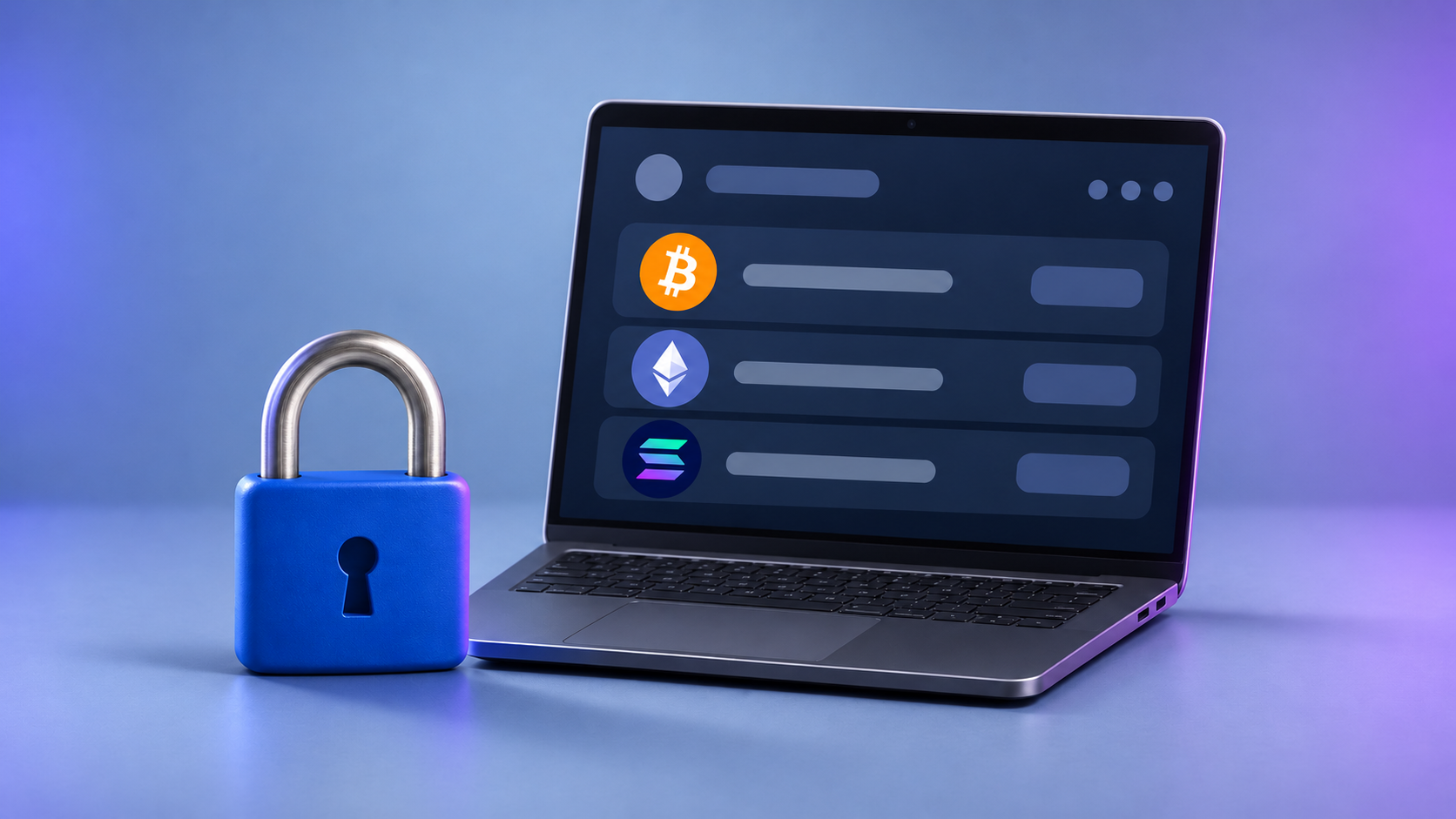
Quick Summary: Protect your crypto on centralized exchanges by securing your account and the linked email. Turn on withdrawal restrictions and keep only what you need for trading on the platform. For long-term crypto holdings, consider a wallet you control once you know how to back it up.
Compared with traditional assets like the U.S. dollar, cryptocurrencies such as Bitcoin (BTC) and Ethereum (ETH) offer holders self-sovereignty.
Unlike traditional financial systems that rely on institutions for custody and settlement, cryptocurrency is designed to be accessed exclusively by the wallet owner. So, crypto holders should properly secure their wallets to protect their wealth.
While buying crypto is easy these days, learning how to safely store and protect it is still tough, especially if you aren’t tech-savvy.
What the Binance hack teaches crypto holders
A centralized crypto exchange holds digital assets for customers and controls the private keys, which are secret codes that authorize transfers. Users sign in to trade or request a withdrawal.
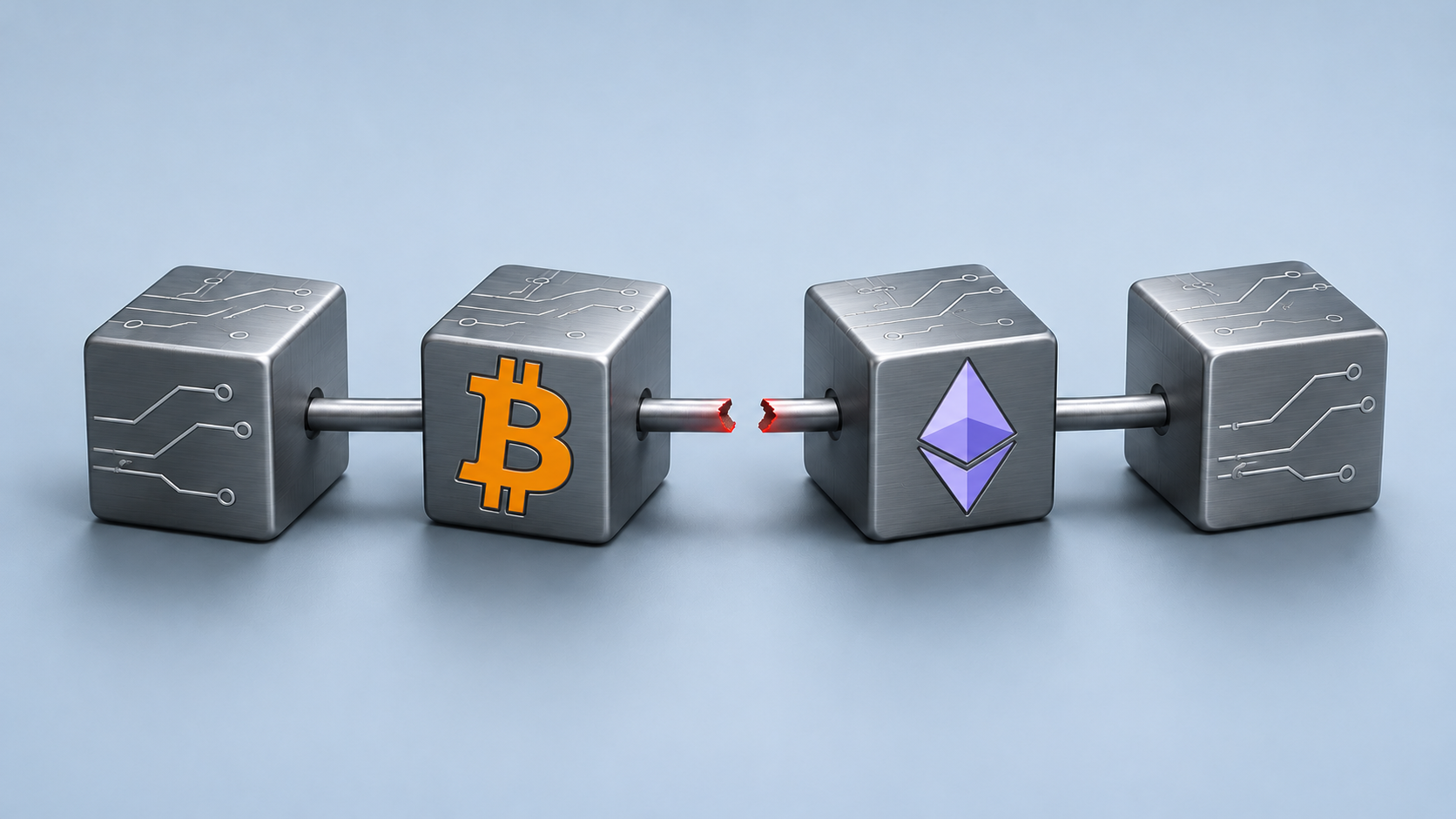
On October 29, 2026, Binance suffered a breach that affected about $6.3 billion in digital assets. Binance said attackers accessed its internal wallet systems to withdraw funds. The crypto exchange temporarily paused withdrawals and pledged to cover the losses.
An exchange can pause withdrawals even when your account stays secure. Consider that risk when deciding how much crypto to keep on the platform.
Your $30,000 bonus + 10% discount are waiting on Bybit! Sign up and claim these rewards before they’re gone. Time’s ticking!
Secure your account and email
Use a long, unique password for each exchange and your email. A password manager can create and save them. Protect your email with a passkey or two-step verification, as it often controls password resets.
Select a passkey or physical security key if the exchange supports it. Passkeys let users sign in using the device PIN, fingerprint, or face scan and help protect against fake login pages. If neither option is available, use an authenticator app for two-factor authentication (2FA). The app generates a short code for sign-in. Use SMS codes only as a last resort, since hackers can take over a phone number.
Crypto holders should keep the backup login codes for the exchange they use somewhere safe offline. These codes can help users sign in if they lose access to their usual verification method. Check which devices are signed into your exchange account and remove any that are no longer used. If your passkeys are synced through a cloud account, turn on two-factor authentication for that account too.
Bookmark the exchange’s official website. Instead of following urgent messages, open the website directly. Install its app through links on the official site to avoid downloading malicious software from fake third-party app stores.
Keep passwords and sign-in codes private. If someone claims to be support, contact the exchange through its official app or website.
Important Read: Why crypto exchange hacks can be harder to contain than bank breaches
Turn on withdrawal controls
Look for the following options in account security settings. The options vary by exchange.
Verify each withdrawal address before saving it. Some crypto exchanges make users wait after adding an address or turning off the allowlist. Therefore, users should check the rules before they need to withdraw.
An API key lets an app or trading bot access an exchange account. Crypto holders need to delete keys for tools they no longer use. Give each tool only the access it needs and leave withdrawals off for tools they only need to read data or trade. Remember, a bot with trading access can still place unwanted orders.
How to check a crypto exchange before depositing
When choosing a crypto exchange, check whether it is authorized in your country, its security record, and its withdrawal rules. Verify any license the company claims on your regulator’s public register, where available.
Check whether the exchange is keeping customer funds separate from company funds, whether the platform can lend them, and what recovery options exist in the event of insolvency. If the exchange offers insurance or a protection fund, check which losses it covers and how much it can pay.
A proof-of-reserves report can show assets held on an exchange at a specific time. It may leave out important debts and obligations. Users should review audited financial statements if the company publishes them.
Keep only those funds on an exchange that are required for trading. Reassess your account balance as it grows.
When to consider self-custody
Self-custody means users control their private keys that let them move their crypto. Users are responsible for backing up the wallet and restoring access if they lose the device.
A recovery phrase is a list of words users can use to restore their wallets. Someone who gets it may be able to move their crypto. Write the words down in order and store them somewhere private and protected from damage.
Keep the phrase out of screenshots, emails, and cloud notes. Never share it with support or enter it on a website. If you are using a hardware wallet, follow the maker’s official instructions to check your backup. Review each transfer before approving it.
Before transferring funds, confirm that the receiving wallet supports the coin and the network you plan to use. Verify the full address and enter a memo or tag if the recipient requires one. This is an extra code used for some deposits. If fees and minimums allow, send a small amount to test, confirm receipt, and then transfer the rest.
Remember, blockchain transfers are generally irreversible, so an exchange cannot simply cancel a completed payment sent incorrectly.
Important Read: Find Lost Crypto Wallets – A Step-by-Step Recovery Guide
Steps to take after an exchange breach
- Check official updates: Open the exchange’s official website or app. Check which assets and networks are affected and whether withdrawals are available.
- Lock your account if you spot suspicious activity: Use the exchange’s account-lock feature if available or contact support immediately. From a device you trust, secure your linked email, reset affected passwords, sign out of other devices, and remove suspicious app access.
- Save evidence and report theft: Save the transaction history and suspicious messages. Record the amount, time, receiving address, and transaction ID. Report the theft to the exchange and your local police or cybercrime authority.
- Check before withdrawing: If you decide to move funds, first confirm your account is secure, and withdrawals are available for the asset and network. Send a small test transfer. If withdrawals are paused, follow official updates.
- Watch for recovery scams: Ignore unexpected messages offering to return stolen crypto for free. Keep your recovery phrase and verification codes private. The Federal Bureau of Investigation (FBI) warns that recovery frauds target people who have already lost crypto.
Final thoughts
Crypto security relies on consistent practices, such as securing access, restricting unauthorized transfers, and selecting storage solutions you thoroughly understand. Save the exchange’s official support page and find its account lock setting before an emergency. Review the sign-in and withdrawal settings when you change phones or add a wallet. A calm, practiced process helps prevent costly mistakes.
FAQs
Is it safe to keep crypto on an exchange?
Keeping crypto on an exchange carries risks. The exchange controls withdrawals and can pause them during a breach. Therefore, limit your balance to what you need for trading on the platform.
Can two-factor authentication (2FA) prevent an exchange hack?
No. It helps protect account access, but it cannot secure the exchange’s internal systems or prevent a withdrawal freeze.
Is a hardware wallet always safer?
A hardware wallet helps protect your private keys by keeping them on a separate device. Its safety still depends on how you protect your recovery phrase and which transfers you approve.
What is the safest way to sign in to a crypto exchange?
Use a passkey or physical security key if supported. Otherwise, use an authenticator app for two-factor authentication.
Will an exchange reimburse stolen crypto?
There is no universal guarantee. Coverage depends on the incident, platform terms, available resources, and applicable law.
Sign up on WEEX and roll for a chance to win a share of the $1,000,000 prize pool.