Sources we are willing to name
Everything here rests on research and on external sources we will point at. Where a claim rests on a single source, the piece says so rather than rounding it up into a fact.
The Moon Show is an information source for blockchain, cryptocurrency and Web3, built to empower a community of enthusiasts, innovators and investors through insights that are authentic and reliable.
The standard
Everything published here rests on rigorous research, and on external sources we are willing to name. That standard is the whole product.
The audience
The site and the YouTube channel, @TheMoon, both carry substantial monthly traffic, and traffic on this subject is only earned by being right more often than not.
The point
Financial freedom, reached by understanding rather than by someone else's incentive. Reliable market education is the route to it.
Who we are
The show is the work in public. The reviews, the fee tables and the tutorials are the same two people with the camera off.
The Moon Show started as a livestream in 2017, on the argument that most people lose money in this market because nobody explains it to them in plain language. It runs four nights a week and it has not missed a season since. What grew around it is the rest of this site: reviews of the venues, tutorials for the first trade, wallets and VPNs checked on hardware we bought ourselves, and the deals worth taking. Partnerships pay for it, and they are disclosed wherever they appear.

Host
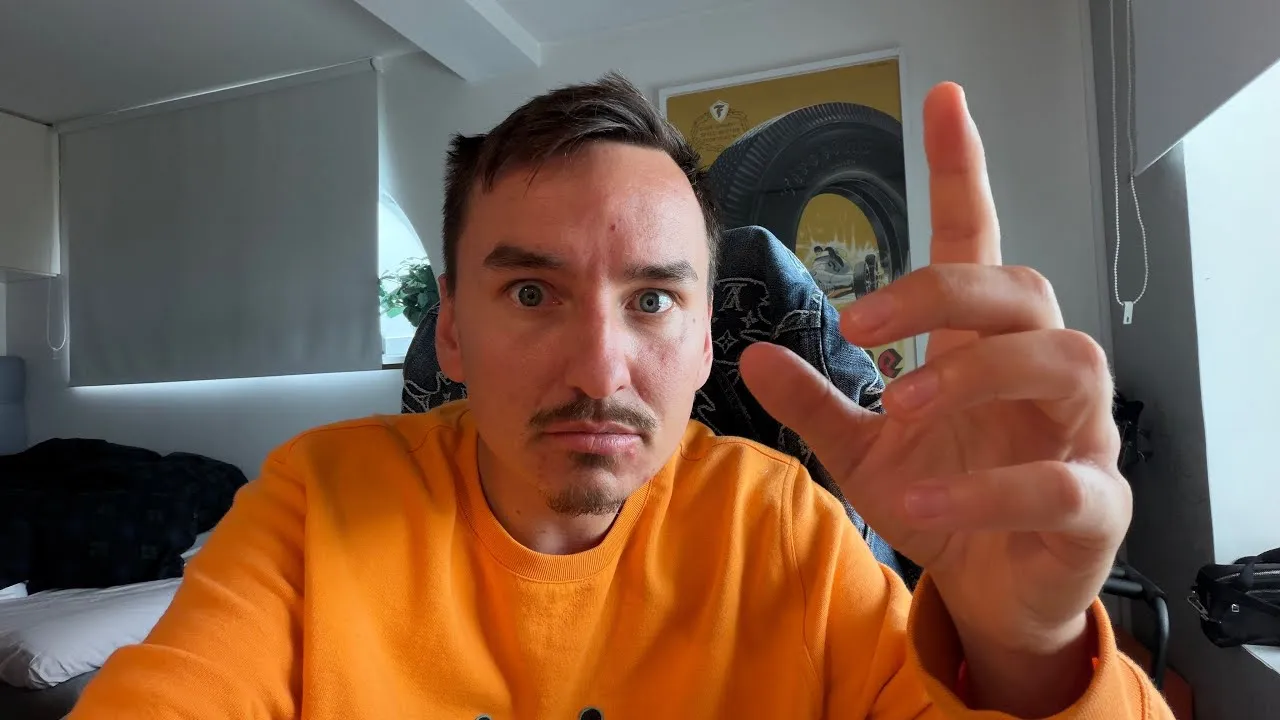
Carl fronts the show four nights a week: the market taken session by session, what moved and what he is watching next. The daily analysis on the channel is his, and the vlog channel is the same person away from the desk.
@carlmoon
Co-host
Crypto Kid takes the second chair, and the material a live stream handles badly: exchange reviews, fee tables, wallet and security walkthroughs. When a tutorial here says where to click, that is the work behind it.
@CryptoKidWho it is for
Start where no money has moved yet: what a wallet is, what an exchange does with a deposit, and which steps belong before the first one.
The account is open. Reviews and fee tables say what each platform charges before it charges you, and the tutorials run to a filled order.
You watch the sessions yourself. The daily show reads them alongside you, and price analysis picks up where the chart stops being obvious.
You know the market. Come for the interviews, the deals, and the security work most people skip: hardware wallets, VPNs, custody.
What we publish
The Moon Show centralises what the community needs to stay ahead: news and current market trends, exchange reviews and tutorials, wallets, VPNs and the deals worth taking. One place, so none of it has to be pieced together from five different sites.

01The daily show


Carl Moon takes the session live: what moved, what held, and what he is watching next. Every stream stays up afterwards, so a night missed is a replay rather than a gap.
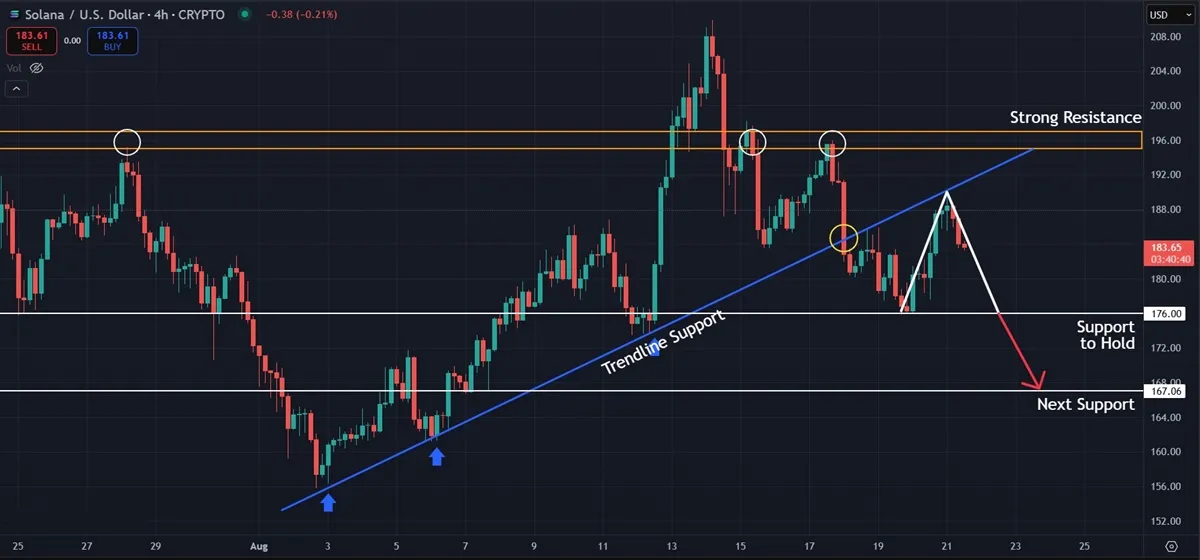
News as it lands, longer features when a story needs them, and price analysis on the charts that decide the week. Learn Crypto covers the basics the rest of it takes for granted.
A review covers the interface, the trading features, the fees, the security, the advantages and the disadvantages. The tutorials run from opening an account to placing a first trade.
Hardware and software wallets tested in use, VPNs judged on what people actually buy them for, and the deals worth taking, with their terms printed next to them.
How we work
Nobody owes a crypto site their trust by default. These are the four rules we work to, and the four things to hold us to when a page here earns us money.
Contact usEverything here rests on research and on external sources we will point at. Where a claim rests on a single source, the piece says so rather than rounding it up into a fact.
Some links to exchanges and tools pay us. That buys no score, no place in a table and no kind sentence, and every page carrying them says so at the foot.
A review starts with a real account, a deposit and a trade. The fees are the ones charged on the day, and the day they were checked stays printed on the page.
A market call that ages badly gets a correction on the page it was made on, dated, rather than a quiet edit nobody is told about.