Hardware
Tangem Wallet Review 2026: Is the Seedless Card Wallet Worth It?
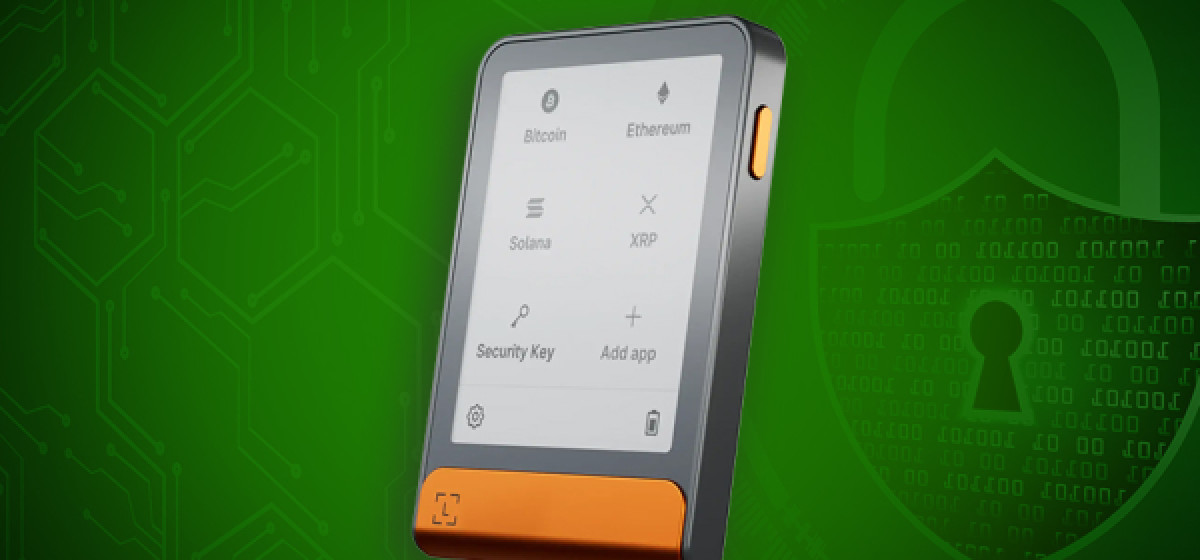
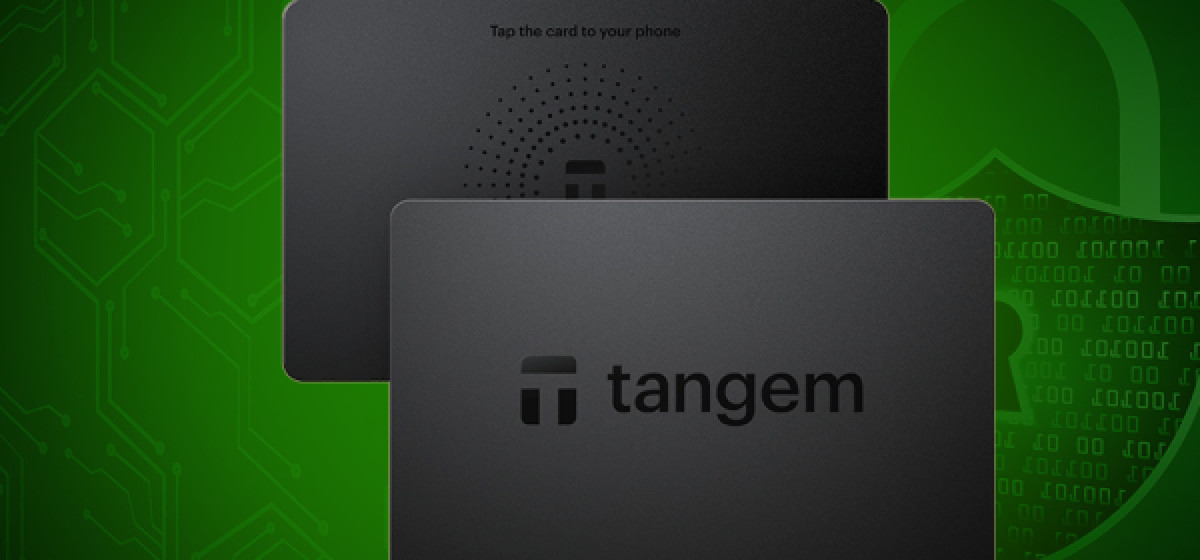
A seedless card wallet: the keys live on the card and the backup is another card rather than a written phrase. A 2-card set starts around $54.90.
Crypto wallets are the primary means of safely storing digital assets. With hundreds of crypto wallet options, choosing the one that fits your needs can be challenging, especially for beginners. At The Moon Show, we make this choice easy by providing all the information you need to understand different types of wallets, how they work, how to create one, and how to store and transact digital assets using them.
Our approach to providing information about digital wallets is divided into three parts. Our crypto wallet reviews help build a thorough understanding of leading crypto wallets and how they compare. These reviews are structured to simplify complex information and make it easier for all users to understand. Additionally, our comprehensive coverage of crypto wallets helps our audience evaluate options and choose the ones that best fit their needs.
For seasoned traders who already understand the intricacies of crypto wallets, our quick listing and comparison sections provide greater visibility into the key features of top wallets. Our focus remains on providing the most accurate information that adds value to our audience’s understanding and use of crypto wallets.
Visit our crypto wallet lists page to explore the top options available today.
A crypto wallet is not just another digital bank account. It is the gateway to the decentralized web, where users can execute actions within their crypto investment strategy directly from their wallets. The market is flooded with options, each offering similar fundamentals but unique features tailored to traders’ requirements and experience. The key factors that must not be overlooked when choosing a crypto wallet include:
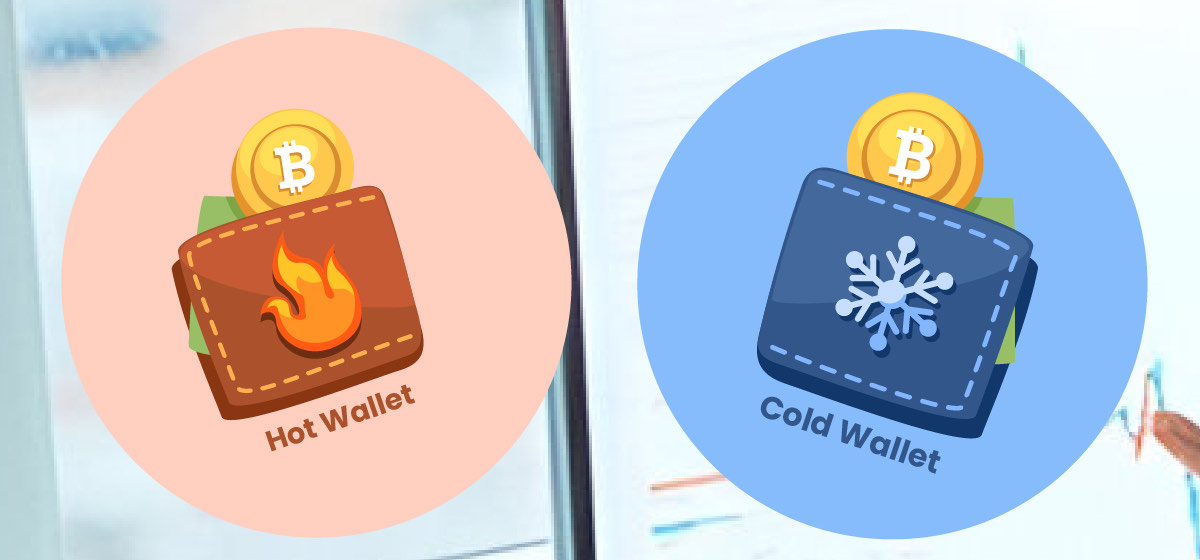
Fundamentally, there are two types of crypto wallets. Hot wallets are apps and software tools that provide quick access to digital assets for day traders. On the other hand, for long-term hodlers and those seeking the impenetrable security of their digital assets, cold or hardware wallets are the most suitable option. We cover how these two wallet types work, the functionalities they offer, and which users can opt for them in our detailed wallet reviews on The Moon Show.
Our crypto wallet reviews offer a simplified approach to understanding the complexities, thus helping users assess the key features that align with their investment strategy.
Our team at The Moon Show provides detailed assessments of all the top crypto wallets in informative reviews. We conduct deep research, backed by hands-on testing, to ensure the authenticity and quality of the information.
Explore our crypto wallet compare page to compare leading wallet providers and understand how different wallets support secure storage, management, and more.
As mentioned earlier, our reviews provide comprehensive information on the essential features of the best crypto wallets. Our reviews primarily focus on:
While our platform covers all leading crypto wallets, we prioritize non-custodial solutions that give users complete control over their private keys. We carefully assess the security features of all platforms, including two-factor authentication (2FA), biometric authentication, and open-source code transparency.
For hot wallet users, the wallet application’s user experience is critical. There is no point in choosing a wallet that does not guarantee a smooth and intuitive user experience. While wallet security must remain the highest priority when choosing a wallet, the user experience often becomes the deciding factor, especially for beginners. We provide a detailed analysis of the user experience across all crypto wallets.
The number of cryptocurrencies is growing at a rapid pace. For a crypto wallet, it is essential to continually add new cryptocurrencies to the platform to ensure it serves all types of users. Most well-known crypto wallets support the top cryptocurrencies and also cover less popular yet trending ones.
The search for the most comprehensive crypto wallet reviews ends right here. Whether a user is looking for the tangible security of a Ledger or Trezor, or the impeccable versatility of MetaMask or Phantom, our list of top crypto wallets covers all the industry-leading names. In-depth information on the key features and limitations of crypto wallets makes it easier for crypto enthusiasts to find the platform that best meets their requirements.

Hardware
A seedless card wallet: the keys live on the card and the backup is another card rather than a written phrase. A 2-card set starts around $54.90.
Hardware
A CC EAL6+ certified secure element and an E Ink display. Reviewed alongside the Nano S so the generational gap is legible.
Software
MPC key shares instead of a seed phrase, plus fees, staking and what moving to cold storage actually involves.
Software
Self-custody with the on-ramp attached. Features, fees and security against MetaMask and Trust Wallet.
Hardware
The line rather than a single device, which model is which, and what the security model is common to all of them.
Hardware
Long-standing and still sold, with 1,000 assets supported and an interface that shows the years.
Hardware
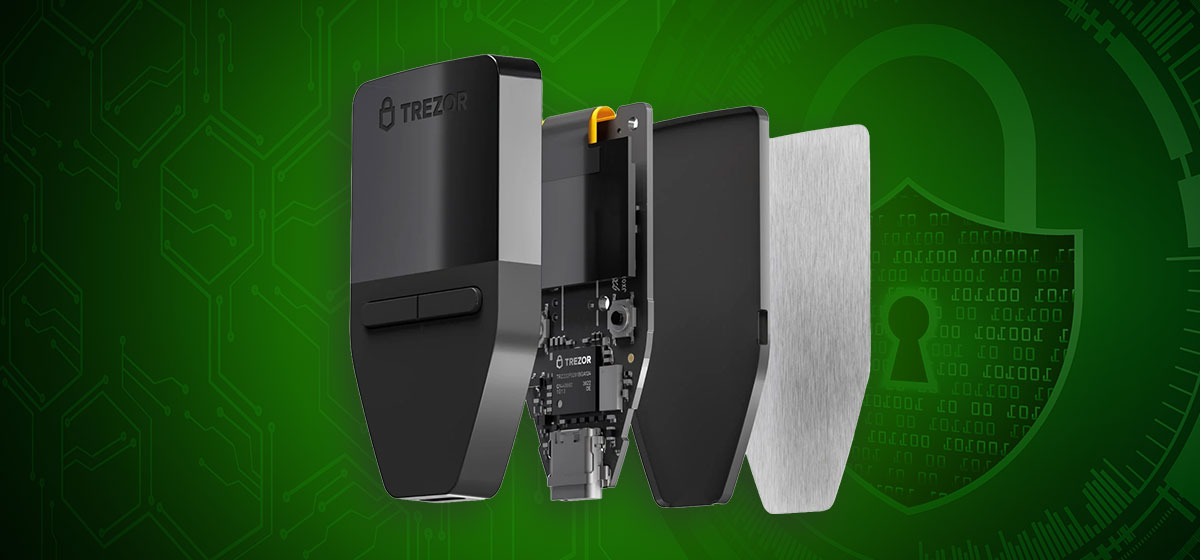
Trezor offers leading hardware cryptocurrency wallets, designed to keep private keys offline. Explore supported digital assets, models, and best practices.
Hardware
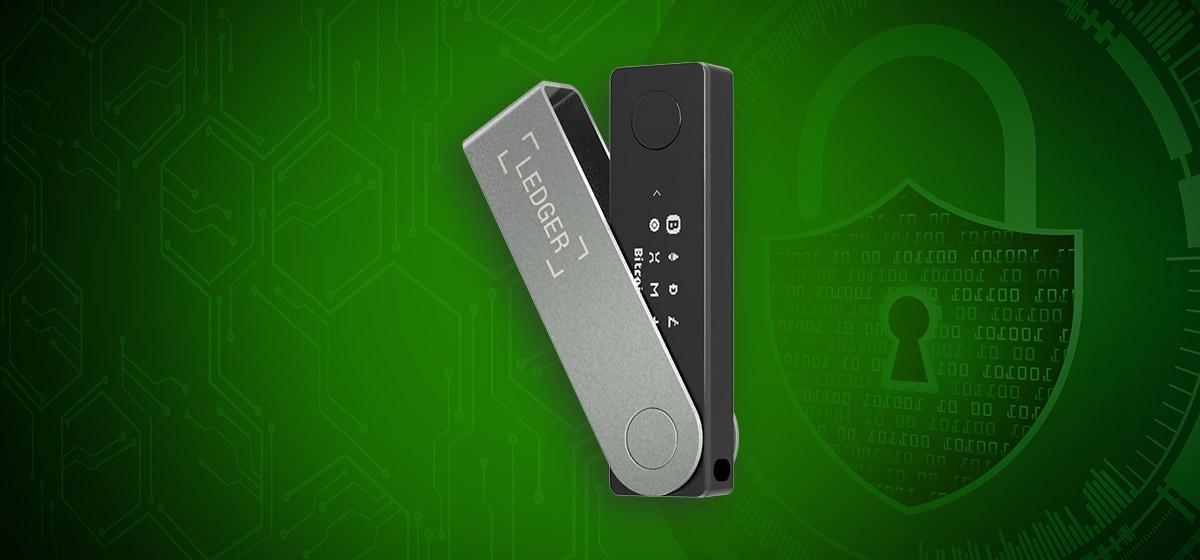
The Ledger Nano X is a secure hardware wallet for cryptocurrencies.
Software
This Trust Crypto Wallet review gives you an in-depth look into its features, supported assets, security, and overall usability.
Software
Exodus is a self-custody cryptocurrency wallet that securely stores your private keys and recovery phrases.
Hardware
A seedless card wallet: the keys live on the card and the backup is another card rather than a written phrase. A 2-card set starts around $54.90.
Hardware
A CC EAL6+ certified secure element and an E Ink display. Reviewed alongside the Nano S so the generational gap is legible.
Hardware
The line rather than a single device, which model is which, and what the security model is common to all of them.
Hardware
Long-standing and still sold, with 1,000 assets supported and an interface that shows the years.
Hardware
Trezor offers leading hardware cryptocurrency wallets, designed to keep private keys offline. Explore supported digital assets, models, and best practices.
Hardware
The Ledger Nano X is a secure hardware wallet for cryptocurrencies.
Software
MPC key shares instead of a seed phrase, plus fees, staking and what moving to cold storage actually involves.
Software
Self-custody with the on-ramp attached. Features, fees and security against MetaMask and Trust Wallet.
Software
This Trust Crypto Wallet review gives you an in-depth look into its features, supported assets, security, and overall usability.
Software
Exodus is a self-custody cryptocurrency wallet that securely stores your private keys and recovery phrases.
The Moon Show lists top cryptocurrency wallets, highlighting their key features to help users find the right solution for managing, storing, and using their digital assets securely. Our focus is on presenting clear and practical information about wallets that help users identify top wallets that fit their requirements.
The cryptocurrency industry offers a wide range of wallet options, each created to fulfill different user demands. Beginners often look for wallets with a simple setup process, easy access to popular cryptocurrencies, and an intuitive user interface. Experienced traders, on the other hand, look for advanced security, improved control, self-custody features, multi-chain support, and compatibility with DeFi platforms and NFTs. The Moon Show lists leading wallets to help users identify the wallet that best aligns with their experience level and trading goals.
Our wallet listing will provide details of critical aspects, including supported blockchains, security features, custody models, ease of use, and cryptocurrency support.
A cryptocurrency wallet is a tool that allows users to store, send, receive, and manage digital assets like Bitcoin (BTC), Ethereum (ETH), and other popular cryptocurrencies. Rather than holding physical money, crypto wallets store private keys, which grant access to transactions recorded on the blockchain. Wallets are an essential component of the crypto ecosystem, enabling users to interact with blockchain networks securely.
Latest crypto wallets incorporate advanced security measures such as biometric authentication, encryption, and backup phrases. Depending on the wallet type, users can maintain full control over their private keys or rely on trusted third-party custodians for asset management.
Explore our detailed crypto wallet reviews to gain a deeper understanding of how different wallets function.
Custodian wallets or hot wallets are managed by third-party providers, such as an exchange or a wallet service. In this case, the provider holds the private keys on behalf of the user. These wallets are easy to use and make them popular among beginners. They often include account recovery options and customer support, but users must trust the provider to safeguard their digital assets.
Non-custodial wallets or cold wallets give users full control over their digital assets and private keys. These wallets emphasize security, ownership, and decentralization. They can be software-based (mobile and desktop applications) or hardware-based (devices that store keys offline), while some can be a combination of both. While they offer higher security and independence, they require users to manage backups and recovery phrases responsibly.
The following factors should be considered when choosing a crypto wallet.
Users should carefully consider reviewing security features such as biometric authentication, encryption, offline storage, and backup phrases. All of these features are essential in ensuring that your digital assets remain protected at all times.
Traders should decide whether a custodial (hot) wallet or a non-custodial (cold) wallet aligns better with their preferences for control and convenience. Understand your needs and requirements first, before making a decision.
Users should ensure that the wallet of their choice supports blockchains and cryptocurrencies they plan on trading. Most wallets support top cryptocurrencies such as Bitcoin (BTC) and Ethereum (ETH), and major altcoins.
Regardless of your experience level, a good user experience is essential. Look for a wallet with a clear user interface that offers smooth navigation and easy access to different platforms.
The wallet you choose must offer robust backup and recovery systems. Check if the crypto wallet of your choice has a recovery phrase, biometric verification, and encryption option available.
The Moon Show simplifies complex wallet features into clear, accessible insights to help traders make confident decisions. Our crypto wallet lists highlight security features, usability, and functionality of top wallets so that users can choose the right wallet for daily transactions or long-term storage.
The wallets the site lists, on the fields each maker publishes. Where a maker publishes nothing for a field, the cell says so rather than being quietly dropped.
Ordered by supported assets. Where a maker publishes nothing for a field, the cell says so rather than being left blank.
The Moon Show compares top cryptocurrency wallets to help users identify the most secure and reliable options for managing and storing digital assets. Our goal is to provide clear, practical information on leading crypto wallets, highlighting their key features so our audience can make informed decisions about protecting their digital assets.
Comparing cryptocurrency wallets helps users choose a wallet that aligns with their requirements for security, experience level, and usage preferences. As part of our comparison, we analyze critical aspects of wallets such as custody model, supported assets, usability, security, and additional features.
Visit our crypto wallet listing page to explore the key features of top cryptocurrency wallets.
A cryptocurrency wallet is a tool that allows users to store, send, receive, and manage digital assets such as Bitcoin (BTC), Ethereum (ETH), and other major altcoins. Crypto wallets do not store the cryptocurrencies, but manage the private keys that grant access to funds on the blockchain. As a result, wallet security is one of the most important considerations in the crypto ecosystem.
Crypto wallets use various security measures, including private key encryption, recovery phrases, biometric authentication, and hardware isolation, to protect user assets. Choosing the right wallet plays a crucial role in safeguarding funds against hacks, phishing attempts, and accidental loss.
Explore our crypto wallet reviews for a deeper understanding of how different wallets work.
The two major categories of cryptocurrency wallets are:
Custodian wallets or hot wallets are connected to the internet and are typically available as mobile apps, desktop software, or web-based platforms. These wallets offer convenience, fast access, and ease of use, making them ideal for frequent transactions and everyday crypto activity. However, being online also exposes them to higher security risks. Popular examples include MetaMask, Trust Wallet, and Coinbase Wallet.
Non-custodian wallets or cold wallets store private keys offline, significantly reducing exposure to online threats. These wallets are considered the most secure option for long-term storage of digital assets. Hardware wallets, such as Ledger and Trezor, are the most common type of cold wallet and are preferred by users holding large crypto balances.
Choosing the right cryptocurrency wallet is essential, as it directly affects asset security, accessibility, and user experience. We compare top crypto wallets side by side to highlight their strengths and limitations. This comparison helps readers identify wallets that match their security requirements, asset preferences, and level of technical expertise.
The following key factors are essential to consider before choosing a crypto wallet:
Traders should look for wallets that offer strong encryption, secure key management, recovery phrase protection, and optional multi-factor authentication. These features help against hacking attempts, phishing scams, and malware attacks.
Users need to decide whether they prefer custodial wallets, where a provider manages private keys, or non-custodial wallets, where they retain full control. Understand your needs and requirements first, before making a decision.
Ensure the wallet supports the cryptocurrencies and tokens you plan to hold, including Bitcoin (BTC), Ethereum (ETH), stablecoins, and NFTs. If you need access to DeFi, then the wallet of your choice should support it.
A clear interface and smooth navigation are important, especially for traders managing assets daily. Consider a wallet that offers a clear user interface, smooth navigation, and easy access to different platforms.
The cryptocurrency wallet comparisons by The Moon Show focus on security, transparency, and real-world usability. By breaking down key features and differences, we aim to help our audience find the right wallet to safely store and manage their digital assets with confidence.
Three wallets read across instead of down: one card, one device, one app, which is the whole spread of the class. Where a review does not state a field, the cell says so rather than being left blank.