
Bitcoin Drops Back to $70,000 as Fed Rate Cut Hopes Fade and Global Uncertainty Grows
Key Takeaways:
- Bitcoin dropped nearly 5% to $70,300 after the Fed signaled just one rate cut for 2026, crushing market optimism.
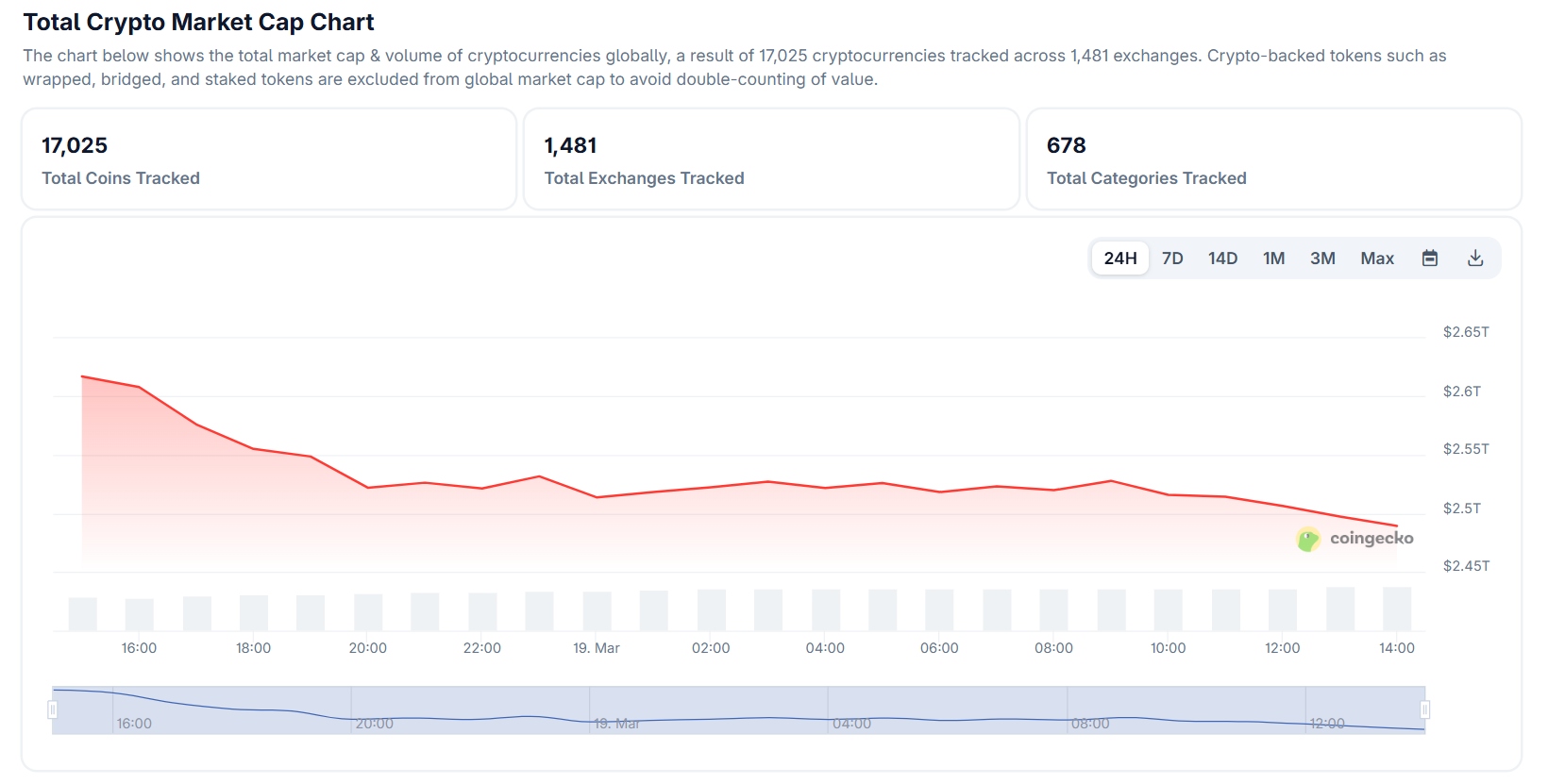
- The global crypto market lost nearly $100 billion in capitalization, with Ethereum and major altcoins falling in tandem.
- Persistent inflation data and geopolitical tensions reinforced that Bitcoin now trades firmly in line with broader macro conditions.
Bitcoin came under fresh pressure on Thursday, falling nearly 5% within 24 hours to trade around $70,300 after spending most of the earlier part of the week above $72,000. The cryptocurrency briefly slipped below the $70,000 mark during the session, a level that has become a key psychological reference point for the market. The selloff was not limited to crypto either, with broader risk assets declining at the same time, pointing to a macro-driven correction rather than anything specific to Bitcoin.
Start trading on WEEX with a 100 USDT deposit and unlock 40 USDT back after completing your first trading step.
The Fed Holds Rates and Markets React
The clearest trigger for the decline was the Federal Reserve's decision to leave benchmark interest rates unchanged at 3.5% to 3.75%. Investors had entered the week expecting a more accommodative tone from policymakers, with many pricing in multiple rate cuts through 2026. Those expectations were quickly unwound after updated economic projections pointed to just one potential cut this year, a significant shift that drained optimism across equities and crypto alike. Fed officials made clear that inflation has not cooled enough to justify aggressive easing, with core inflation forecasts revised upward to around 2.7%, reinforcing the view that price pressures are proving stickier than previously anticipated.
A Broad Selloff Across Crypto Markets
The impact spread well beyond Bitcoin. The global crypto market shed approx $100 billion in total capitalization following the Fed announcement, with Ethereum dropping more than 6% and several major altcoins posting similar losses. The synchronized nature of the decline confirmed this was a market-wide correction rather than an isolated event, and it reflects just how deeply institutional participation has reshaped the way crypto trades. Large players now respond to macroeconomic signals in much the same way they do with technology and growth stocks, and when they move, the impact on prices is swift and broad.
Inflation Data Added to the Pressure
Fresh economic data offered little comfort to an already shaken market. The Producer Price Index came in at 3.4%, above expectations, signaling that inflationary pressures remain stronger than anticipated. For crypto markets, hotter inflation data reduces the likelihood of near-term rate cuts, forcing investors to reassess their risk exposure. Despite Bitcoin's reputation as an inflation hedge, the data triggered selling rather than buying, consistent with research showing that inflation surprises tend to push investors toward capital preservation over speculative assets.
Geopolitical Tensions Compounded the Unease
Beyond monetary policy, rising geopolitical tensions added another layer of pressure to an already difficult week. Escalating energy prices tied to ongoing global conflicts pushed inflation fears higher and strengthened the US dollar, both of which historically weigh on risk assets including crypto. Market analysts noted that the combination of geopolitical stress and monetary tightening created a risk-off environment, with investors pulling back from volatile assets and moving toward more defensive positions across the board.
Institutions Are Still Buying, but They Are Also Driving the Volatility
Institutional involvement in Bitcoin has grown substantially over the past year, and that cuts both ways. The US government reportedly holds over 328,000 BTC as part of its digital asset reserves, and corporate treasury adoption among public companies remains active despite the recent price weakness. However, the same institutional presence that has brought credibility to the asset class also amplifies its sensitivity to macroeconomic developments. Research tracking Bitcoin's behavior since the launch of spot ETFs has found a meaningfully higher correlation with major equity indices, a clear sign that Bitcoin's integration into global financial portfolios is now too deep for the asset to easily decouple from broader market forces.
Final Takeaway
Bitcoin's drop back to the $70,000 zone this week had little to do with things happening inside the crypto market itself, and everything to do with what is happening in the broader economy. The Fed's reluctance to cut rates, persistent inflation data, and a tense geopolitical backdrop hit at the same time, and crypto felt the full weight of it alongside traditional markets. Until the monetary policy outlook shifts in a more favorable direction, Bitcoin may struggle to hold any meaningful recovery in the short term.
Join WEEX and unlock 40 USDT back with your first deposit-and-trade step. Deposit 100 USDT and start trading.
Disclaimer: All content on The Moon Show is for informational and educational purposes only. The opinions expressed do not constitute financial advice or recommendations to buy, sell, or trade cryptocurrencies. Trading involves significant risk and may result in substantial losses. Always seek independent financial advice before making investment decisions. The Moon Show is not responsible for any financial losses or decisions made based on the information provided.
Please view the full disclaimer at: https://themoonshow.com/disclaimer

Farage-Backed Stack BTC Proposes $16M Gold Dealer Deal to Fund Bitcoin Purchases
Stack BTC (STAK), the UK Bitcoin treasury company backed by Nigel Farage, has proposed acquirin...

Clarity Act Senate Vote Today: Bill Faces 60-Vote Test
The Digital Asset Market Clarity Act faces a crucial Senate test on September 15, as lawmakers ...

Strive Buys $36.6 Million in Bitcoin, Reaches 25,000 BTC
On September 14, Strive CEO Matt Cole posted on X that the company acquired 496 BTC for about $...