What is Slippage in Crypto and How to Minimize It
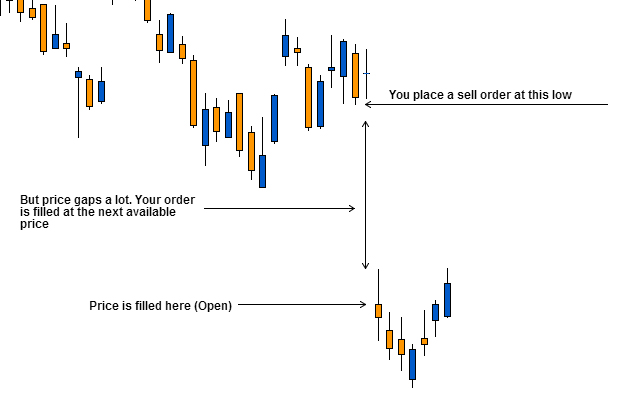
Slippage is the difference between the price a crypto trader expects to pay for a digital asset and the actual price at which the trade is executed. Crypto markets are open around the clock and highly volatile, assets prices can change in seconds between placing and completing an order. Understanding what slippage is and why it occurs is essential for anyone looking to trade crypto effectively while protecting their capital.
In this blog, we will discuss what is slippage, how it happens, and how to reduce it.
Let’s begin!
Your $30,000 bonus + 10% discount are waiting on Bybit! Sign up and claim these rewards before they're gone. Time's ticking!
What is Slippage in Crypto Trading?
In crypto trading, slippage occurs when an order is executed at a different price than anticipated. This can either work in favor of the traders or against them. For example, a trader places an order for Bitcoin at a certain price but ends up paying slightly more due to rapid price movement. This extra amount paid is negative slippage. Subsequently, if the market moves favorably and you get a better price than expected, then that is positive slippage.
Why Does Slippage Occur?
There is no one reason for slippage in the crypto industry. Here are some of the most common factors for slippage.
Market Volatility
The most common cause of slippage in the cryptocurrency industry is market volatility. Prices of cryptocurrencies can move significantly within seconds, especially during regulatory changes, major news events, or during a shift in market sentiment. When many traders buy or sell a digital asset at the same time, prices can change before all orders are executed. This results in slippage.
Liquidity
Liquidity plays a major role in slippage. Liquidity refers to how easily an asset can be bought or sold without affecting its price. Popular cryptocurrencies with high trading volume usually experience less slippage because there are many buyers and sellers at various price levels. Consequently, newer or less popular tokens often have smaller order books. Even modest trades can push the price up or down.
Order Size
Order size can affect slippage for a trade. Large orders are more likely to experience slippage because they may need to be filled across multiple price levels. If there are not enough matching orders at the set price, the exchange will fill the remainder at progressively worse prices, increasing overall slippage.
The Impact of Slippage on Trading Performance
Over time, slippage can have a meaningful impact on overall trading performance. At the same time, a small price difference may seem insignificant on a single trade position, but repeated slippage can decrease profits, especially for active traders. For high-frequency traders, slippage can be the difference between a profitable strategy and a loss.
Slippage also affects risk management. If a stop-loss order executes at a lower price than expected during a sharp market movement, losses may be larger than planned. This makes it essential for traders to account for slippage when calculating order sizes and setting risk limits.
How to Minimize Slippage in Crypto Trading?
There are certain trading strategies that traders can use to minimize slippage when trading crypto. Here are a few ways through which you can minimize slippage while trading.
Use Limit Orders
One of the most effective ways to reduce slippage in crypto trading is by using limit orders instead of market orders. A limit order allows you to specify the exact price at which you are willing to buy or sell a digital asset. While this means the trade may not execute immediately, it prevents you from paying more or receiving less than your chosen price.
Leverage High Liquidity
Trading during periods of high liquidity can also help traders minimize slippage for crypto traders. When markets are active and volume is high, there are more orders available at each price level. This reduces the chances of slippage. Major trading sessions and times of increased market participation often provide better conditions than low liquidity periods.
Important Reads: What is Leverage Trading?
Reduce Trade Size
Reducing trade size is another strategy most traders use when they want to minimize slippage. Breaking a large order into smaller ones can help minimize price impact, particularly in less liquid markets. This strategy allows trades to be absorbed by the market more smoothly rather than pushing prices in an unfavorable direction.
Set Slippage Tolerance
Setting an appropriate slippage tolerance is crucial on decentralized platforms. It is the maximum percentage of price change a trader accepts between submitting an order and its execution. It is a safety mechanism as if the price moves beyond the set limit due to high volatility or low volatility, the transaction will fail. A tolerance that is too high exposes you to unnecessary losses, while a tolerance that is too low may cause transactions to fail repeatedly. Adjusting this setting based on market conditions and token liquidity can help balance execution success and price protection.
Final Takeaways!
Slippage is an unavoidable part of cryptocurrency trading, but it doesn’t have to be a hurdle to your success. Understanding what slippage is, why it happens, and how it affects trades can help you create strategies to minimize it. Traders should use limit orders, manage order sizes, protect profits, and adjust slippage tolerance to significantly reduce the impact of slippage on their trades.
Start trading on Bybit today and get 10% off fees PLUS up to $30,000 in bonuses! Sign up today and start saving while you earn. This exclusive offer won't last - claim yours now!
FAQs
What does slippage mean in crypto trading?
Slippage is the difference between the expected price of a trade and the actual price at which it is executed.
Is slippage always bad?
No, slippage can be negative or positive, meaning you may sometimes get a better price than expected.
Why is slippage common in cryptocurrency markets?
Crypto markets are highly volatile and often have uneven liquidity, causing prices to change rapidly during trade execution.
Which orders are most affected by slippage?
Market orders are most vulnerable because they execute instantly at the best available price. Traders are encouraged to use limit orders.
Does slippage occur on both centralized and decentralized exchanges?
Yes, slippage happens on both types of exchanges. However, it is more noticeable on decentralized exchanges due to the liquidity pool mechanics.
How does liquidity affect slippage?
Higher liquidity reduces slippage because there are more buyers and sellers at stable price levels.
Can slippage be completely avoided?
No, slippage cannot be completely avoided, but it can be significantly reduced with proper strategies.
How do limit orders help reduce slippage?
Limit orders allow you to control the exact price of execution, preventing unexpected price changes.
Does slippage affect long-term investors?
Yes, especially when making large trades, as slippage can affect overall entry and exit prices.
What is slippage tolerance on decentralized exchanges?
It is a setting that defines the maximum price change you are willing to accept before a trade fails.
Disclaimer: All content on The Moon Show is for informational and educational purposes only. The opinions expressed do not constitute financial advice or recommendations to buy, sell, or trade cryptocurrencies. Trading involves significant risk and may result in substantial losses. Always seek independent financial advice before making investment decisions. The Moon Show is not responsible for any financial losses or decisions made based on the information provided.
Please view the full disclaimer at: https://themoonshow.com/disclaimer
What is a Bull Flag in Crypto Trading?
Traders use a bull flag pattern to assess whether a sharp rally might continue after a brief co...

Cup and Handle Pattern: Crypto Trading Rules, Targets, and Risks
The cup and handle is a bullish continuation chart pattern that signals a potential upward pric...
How Does Bitcoin Work? Blockchain, Mining, and Wallets Explained
Bitcoin is the world’s first decentralized digital currency that lets people send money directl...