
What is Rehypothecation - Everything You Need to Know
Rehypothecation is a financial practice where a crypto platform takes your deposited assets and uses them as collateral. The platforms use the assets as collateral for their own trading or lend them to another party. In simpler terms, traders lend digital assets to the cryptocurrency platform, and the platform lends the asset to someone else. Rehypothecation is a great way to generate passive income with your digital assets, such as cryptocurrencies (BTC, ETH, etc.) and stablecoins.
In this blog, we will take a look at what rehypothecation is, how it works in the crypto industry, risks associated with it, and more.
Start trading on Bybit today and get 10% off fees PLUS up to $30,000 in bonuses! Sign up today and start saving while you earn. This exclusive offer won't last - claim yours now!
Let’s take a look!
What is Rehypothecation in Crypto?
In the cryptocurrency industry, rehypothecation usually occurs on exchanges, custodian services, and lending platforms. When users deposit digital assets, these assets often become part of a pooled balance controlled by that platform. The platform may then lend them to traders, use them as collateral for its own borrowing, or deploy them in other strategies that generally yield.
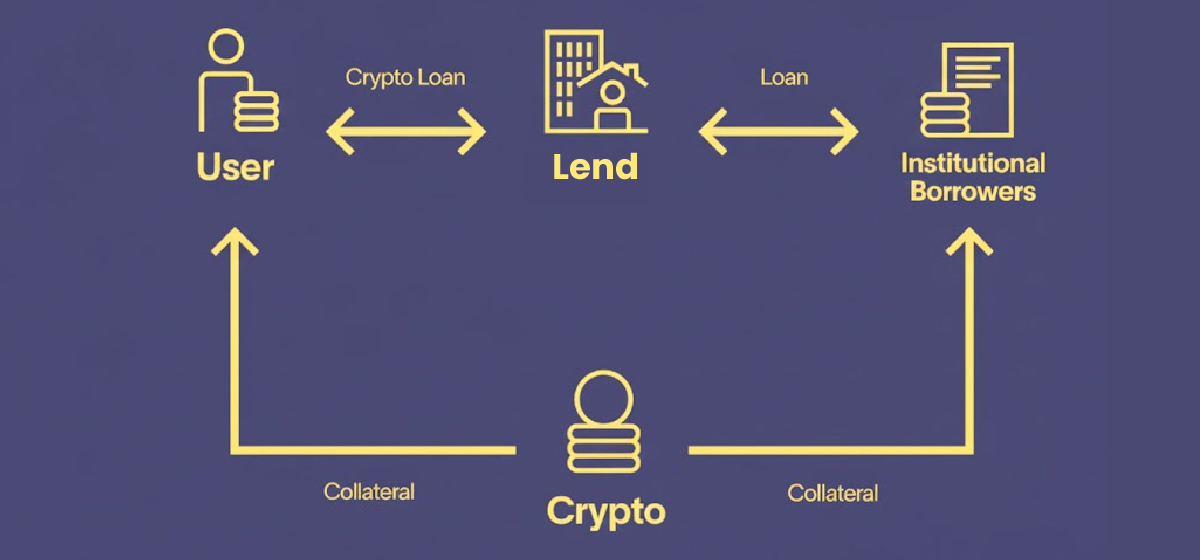
While the actual asset may have been moved, the user still sees their balance reflected in their account. As long as the platform remains liquid and the users do not attempt to withdraw all their assets at once, the rehypothecation process runs smoothly. Issues arise when too many claims exist on the same underlying assets, especially during periods of bearish market conditions.
Rehypothecation allows crypto platforms to increase their capital efficiently. Instead of letting deposited assets sit idle, the platforms can support margin trading and earn interest. This is one of the reasons why some exchanges can offer low trading fees or high yields on deposits.
Risks Associated with Rehypothecation
There are certain risks associated with rehypothecation that you should be aware of. Here are some of them:
- If a platform has rehypothecated your crypto assets and becomes bankrupt, your claim on those assets might not be fully backed by reserves.
- In case of bankruptcy, users often discover that their deposits were unsecured loans rather than assets held in custody.
- Many platforms do not clearly disclose how extensively they rehypothecate assets or where those assets are deployed.
- Lack of transparency makes it difficult for users to assess the true safety of their funds, especially during volatile market conditions.
Regulatory and Transparency Considerations
Regulations around rehypothecation in crypto are still developing. In many countries and states, crypto platforms are operating in gray areas where disclosure requirements are minimal. This has led to increased calls for Proof-of-Reserve, clearer terms of service, and separation of customer assets. Some platforms now advertise that they do not rehypothecate user assets or that assets are fully reserved. These claims can reduce risk, but users should still verify details carefully and understand what protections actually exist.
Final Takeaways!
Rehypothecation enables higher yields and more efficient markets, but it also introduces leverage, potential instability, and complexity. Understanding what rehypothecation is can help users make informed decisions about where to store their assets and how much risk they are willing to accept.
Double your advantage on Bybit: 10% off trades + $30,000 up for grabs! Sign up now and claim these exclusive rewards. Offer expires soon!
FAQs
What does rehypothecation mean in crypto?
It refers to crypto platforms reusing customer-deposited assets for lending, trading, or collateral purposes.
Is rehypothecation legal in crypto?
Yes, in many regions it is legal, but rules vary by jurisdiction and platform disclosures.
Do all crypto exchanges rehypothecate user funds?
No, some exchanges fully reserve assets, while others rehypothecate depending on their business model.
Why do platforms rehypothecate crypto?
They do it to increase capital, support trading services, and generate yield.
What is the biggest risk of rehypothecation for users?
The main risk is losing access to funds if the platform becomes bankrupt.
Can rehypothecation affect crypto prices?
Excessive rehypothecation can increase leverage and market volatility.
Is rehypothecation the same as lending?
No, lending is different than rehypothecation
How can I avoid rehypothecation risk?
By using self-custody wallets or platforms that clearly state they do not rehypothecate funds.
Can rehypothecation happen in DeFi?
Yes, but it is usually governed by smart contracts and is more transparent than in centralized platforms.
Disclaimer: All content on The Moon Show is for informational and educational purposes only. The opinions expressed do not constitute financial advice or recommendations to buy, sell, or trade cryptocurrencies. Trading involves significant risk and may result in substantial losses. Always seek independent financial advice before making investment decisions. The Moon Show is not responsible for any financial losses or decisions made based on the information provided.
Please view the full disclaimer at: https://themoonshow.com/disclaimer

Margin Trading for Beginners: Leverage, Risks, and Examples
Margin trading for beginners starts with understanding how borrowed funds change risk. A small ...

Find Lost Crypto Wallets – A Step-by-Step Recovery Guide
Losing a crypto wallet does not always mean losing access to assets. Recovery may be possible i...

How to Buy Bitcoin for Beginners – A Step-by-Step Guide
When you are new to crypto, buying Bitcoin (BTC) can feel complicated. In practice, the process...